Social Media Templates for Business: Complete Guide
Learn how to master social media templates for business with this comprehensive step-by-step tutorial. Discover platform selection, customization techniques, and proven strategies to create professional content in minutes while maintaining brand consistency.
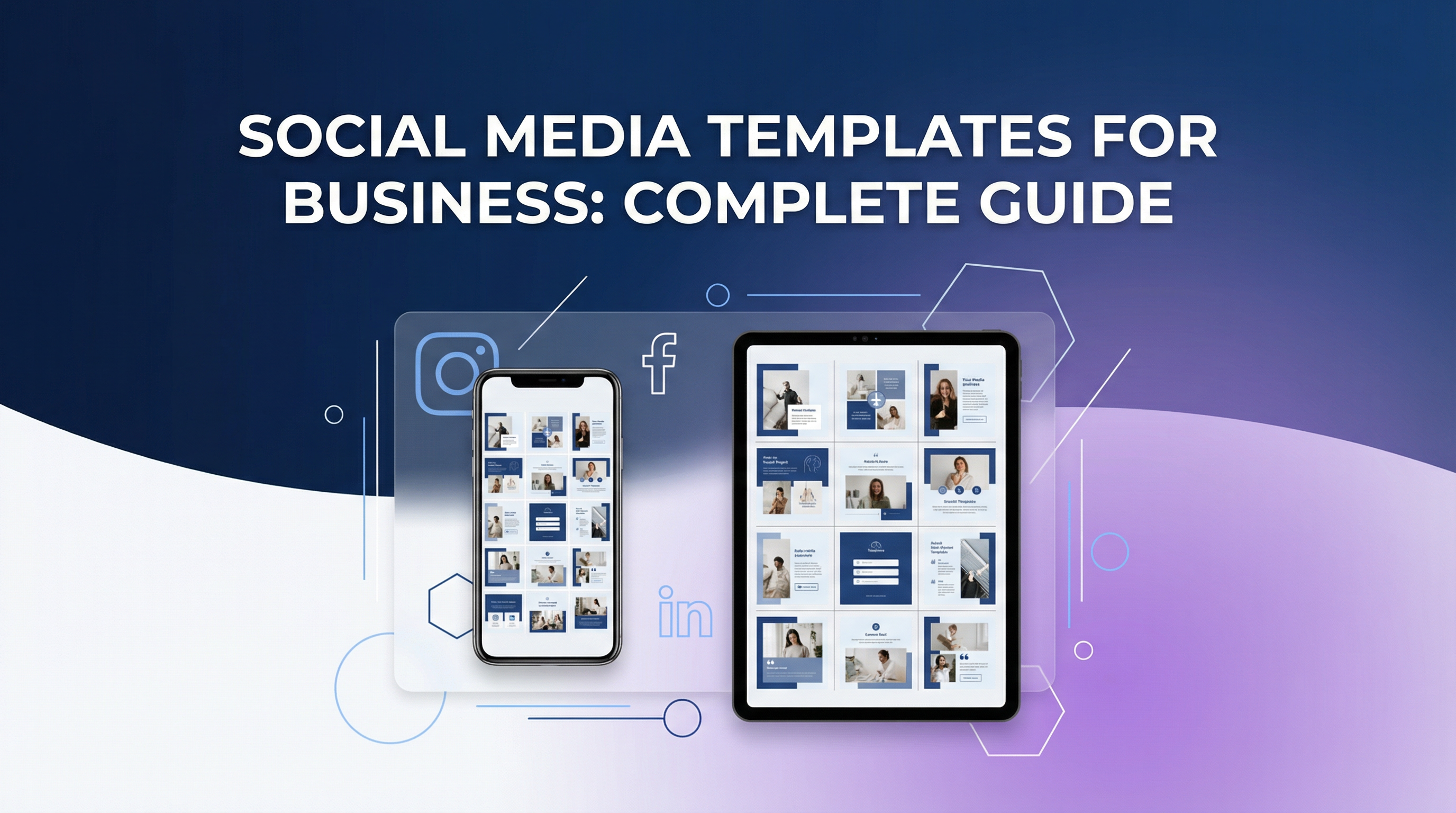
# Social Media Templates for Business: Complete Guide
In today's fast-paced digital landscape, maintaining a consistent and professional social media presence is crucial for business success. **Social media templates for business** are game-changing tools that help entrepreneurs, coaches, and small business owners create stunning content without spending hours on design.
This comprehensive tutorial will walk you through everything you need to know about using social media templates for business effectively, from selection to customization and deployment.
Why Social Media Templates Matter for Your Business
Before diving into the how-to, let's understand why social media templates for business have become essential:
Step 1: Choose the Right Template Platform
The first step in mastering social media templates for business is selecting the right platform. Here's how to make the best choice:
Evaluate Your Needs
Consider these factors:
Recommended Platforms
**Canva** remains the gold standard for most businesses due to its intuitive interface and extensive template library. Other options include Adobe Express, Crello, and specialized template marketplaces like [DesignVault](https://designvault.abacusai.app/products).
Step 2: Select Templates That Align With Your Brand
Not all templates are created equal. Follow this systematic approach:
Define Your Visual Brand Guidelines
Before selecting templates, document:
Template Selection Criteria
Choose social media templates for business that offer:
1. **Flexibility**: Easy color and font customization
2. **Multiple Formats**: Square (1:1), landscape (16:9), story (9:16) versions
3. **Layered Design**: Editable text, image, and graphic layers
4. **Professional Quality**: High-resolution exports (minimum 1080px)
Step 3: Customize Your Templates
This is where your templates transform from generic to uniquely yours.
Color Customization
**Action Steps:**
1. Open your selected template in your design platform
2. Use the color picker to replace template colors with your brand palette
3. Maintain contrast ratios for readability (minimum 4.5:1 for text)
4. Save your custom color palette for future use
Typography Adjustments
**Best Practices:**
Image Integration
**Pro Tips:**
Step 4: Create a Template System
Efficiency comes from systematization. Build your template library strategically:
Content Categories
Organize templates by purpose:
Batch Creation Workflow
1. **Plan Content Calendar**: Map out 2-4 weeks of posts
2. **Batch Design Session**: Dedicate 2-3 hours to create multiple posts
3. **Template Duplication**: Copy and modify existing templates
4. **Asset Organization**: Store completed designs in labeled folders
5. **Schedule Posts**: Use scheduling tools for automated publishing
Step 5: Optimize for Each Platform
Different social networks have unique requirements and best practices.
Platform-Specific Dimensions
**Instagram:**
**Facebook:**
**LinkedIn:**
**Twitter/X:**
Platform-Specific Content Strategies
Adapt your social media templates for business to each platform's culture:
Step 6: Test and Iterate
Continuous improvement is key to social media success.
Track Performance Metrics
Monitor these KPIs:
A/B Testing Strategy
Test variables systematically:
Analyze results after 10-15 posts per variation to identify winners.
Step 7: Maintain Consistency While Staying Fresh
Balance is crucial for long-term success.
The 80/20 Rule
Seasonal Updates
Refresh your social media templates for business quarterly:
Advanced Tips for Template Mastery
Create Template Variations
Develop 3-5 variations of each template type:
Build a Swipe File
Collect inspiration from:
Automate Where Possible
Leverage tools to streamline your workflow:
Common Mistakes to Avoid
1. **Over-Designing**: Keep it simple and focused
2. **Ignoring Mobile**: 80%+ of social media is viewed on mobile
3. **Inconsistent Branding**: Stick to your visual guidelines
4. **Template Overuse**: Rotate designs to prevent audience fatigue
5. **Neglecting Accessibility**: Use alt text, readable fonts, sufficient contrast
Your Action Plan
Ready to implement social media templates for business? Follow this 7-day plan:
**Day 1-2**: Define brand guidelines and select template platform
**Day 3-4**: Choose and customize 10-15 core templates
**Day 5**: Create your first batch of 10 posts
**Day 6**: Schedule posts across platforms
**Day 7**: Set up tracking and analytics
Conclusion
Mastering social media templates for business is a skill that pays dividends in time saved, brand consistency, and professional presentation. By following this step-by-step tutorial, you'll transform your social media presence from inconsistent and time-consuming to streamlined and professional.
Remember: the key is to start with solid templates, customize them to reflect your unique brand, and continuously refine based on performance data. Your audience will notice the difference, and your business will reap the rewards.
Ready to elevate your social media game? Explore our curated collection of [professional social media templates](https://designvault.abacusai.app/products) designed specifically for busy entrepreneurs and coaches.
---
**About DesignVault**: We provide premium digital products and templates for coaches, designers, and entrepreneurs who want to create professional content without the professional price tag.
Tools to Put This Into Practice
Skip the DIY — these templates are built for exactly what you just read about.